- Dharmo Care Labs Pvt. Ltd.
Manufacturers and Suppliers of Quality pharma Injections and Dry Syrups all over India

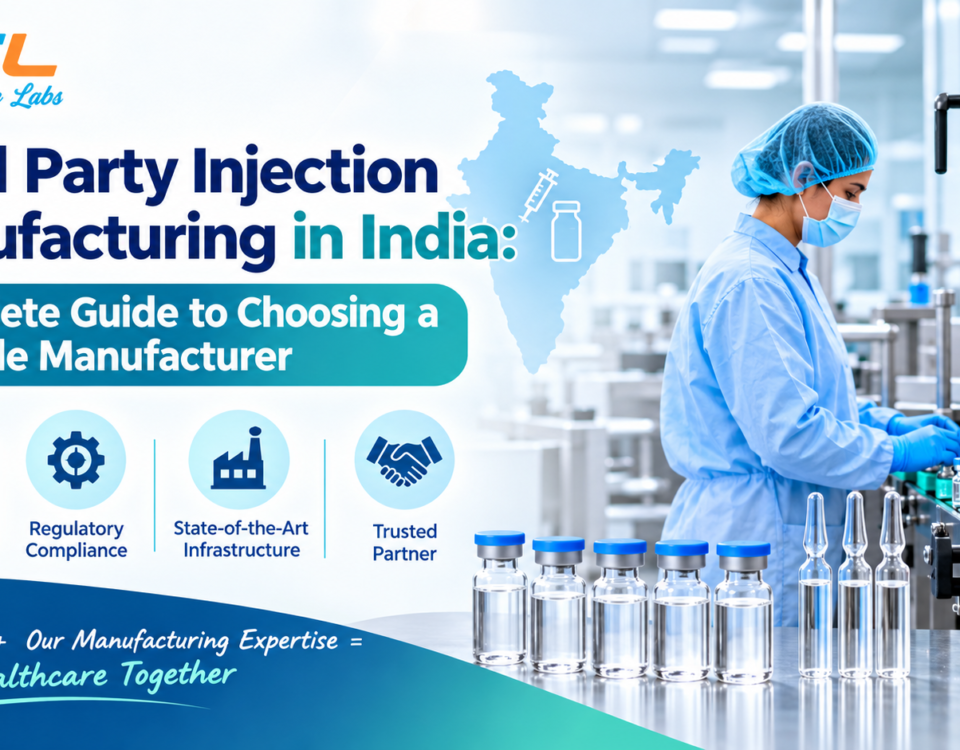
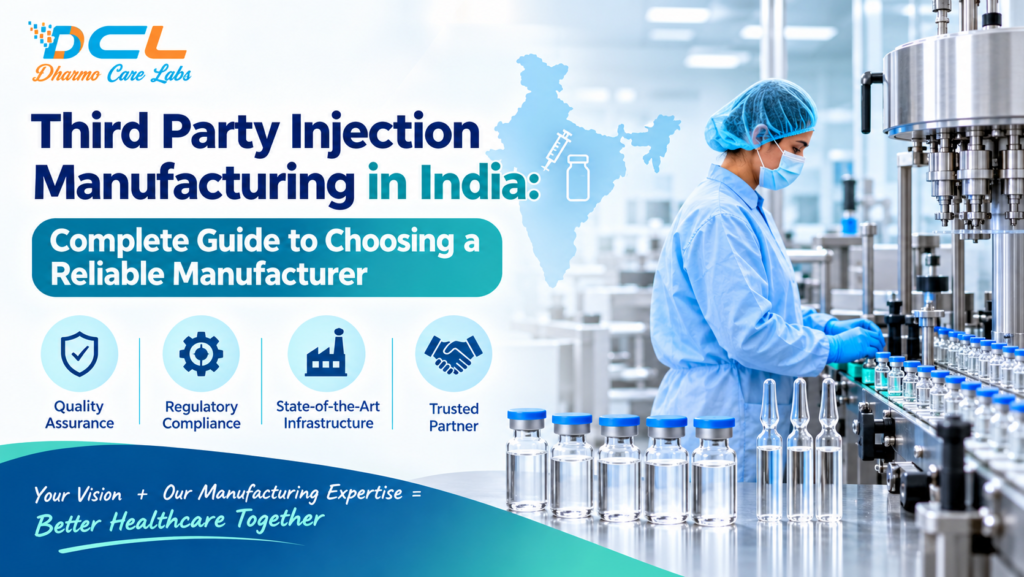
Understanding Third-Party Pharmaceutical Manufacturing
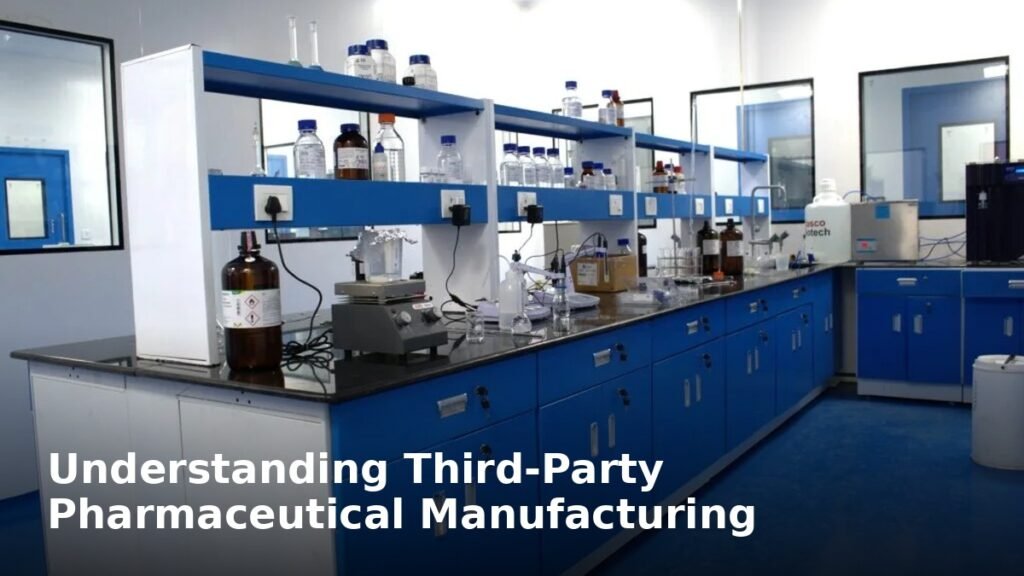
Third-party pharmaceutical manufacturing is a business model in which a pharmaceutical company works with a manufacturing partner for the production of its products. It allows businesses to focus on areas such as branding, marketing and distribution while the manufacturing partner manages the production process.
For businesses looking to develop and expand their pharmaceutical product range, selecting a suitable manufacturing partner is an important step. The manufacturing facility, production capabilities, equipment and quality practices are some of the factors that can be considered during this process.
Manufacturing Infrastructure
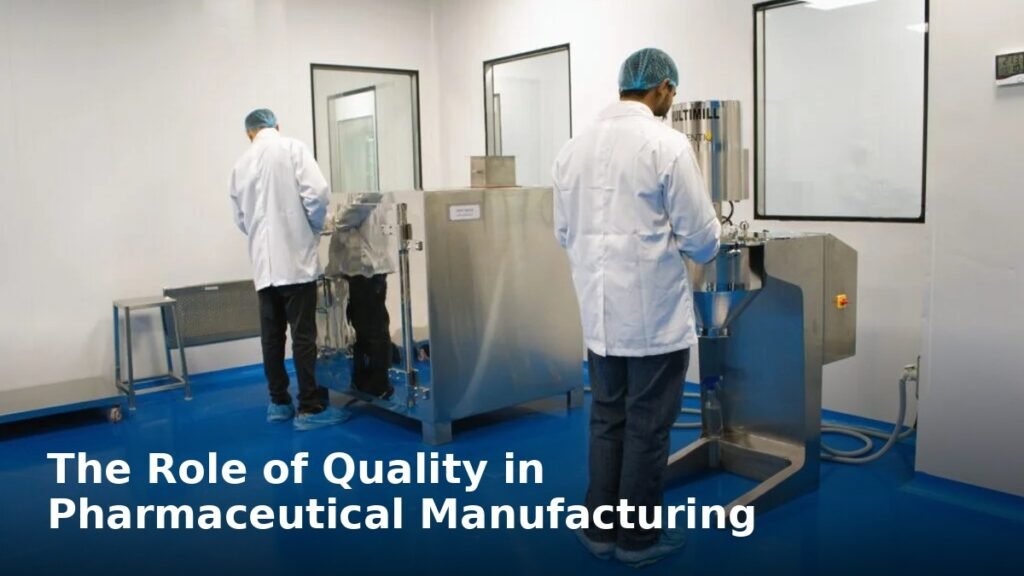
A suitable manufacturing facility provides the infrastructure required for organized pharmaceutical production. Manufacturing areas, equipment and supporting facilities work together to maintain a structured production environment.
Modern equipment and properly maintained manufacturing areas can support consistent production processes and help manufacturers manage different product requirements.
Importance of Quality Practices
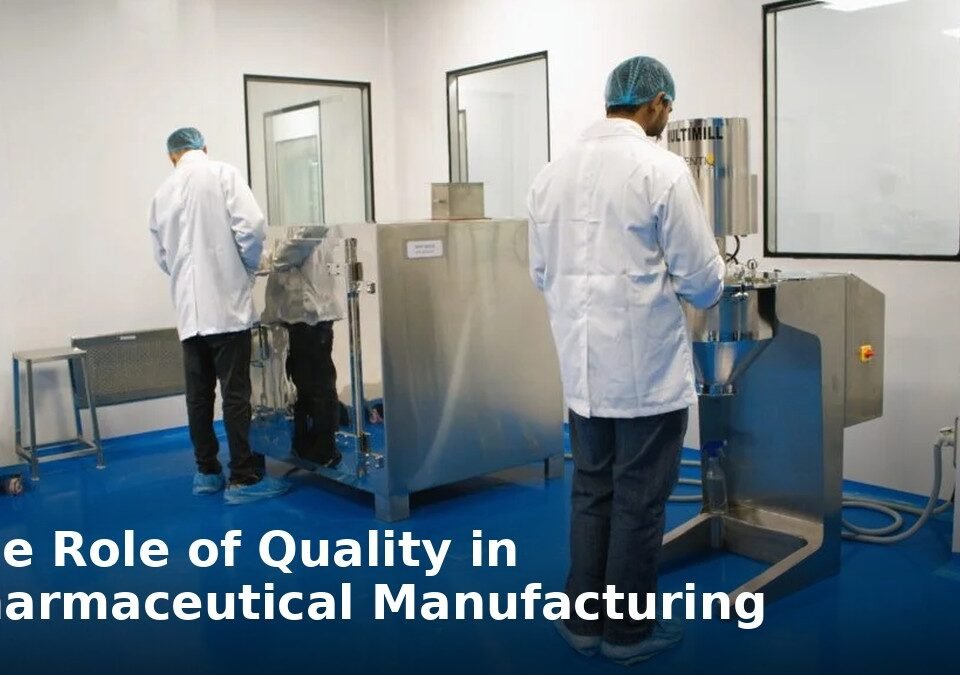
Quality is an important part of pharmaceutical manufacturing. Manufacturing processes need to be carried out in a controlled and systematic manner to maintain consistency throughout production.
A manufacturing partner with appropriate infrastructure and quality-focused processes can provide businesses with a structured approach to pharmaceutical product manufacturing.
Building a Manufacturing Partnership
A successful third-party manufacturing relationship depends on clear communication and an understanding of product requirements. Businesses can evaluate manufacturing capabilities, product requirements, production processes and overall working procedures before establishing a partnership.
Third-party manufacturing can therefore provide a practical way for pharmaceutical businesses to work with specialized manufacturing facilities and develop their product portfolio.