- Dharmo Care Labs Pvt. Ltd.
Manufacturers and Suppliers of Quality pharma Injections and Dry Syrups all over India

Third Party Dry Powder Injection Manufacturer in India: How to Choose the Right Company
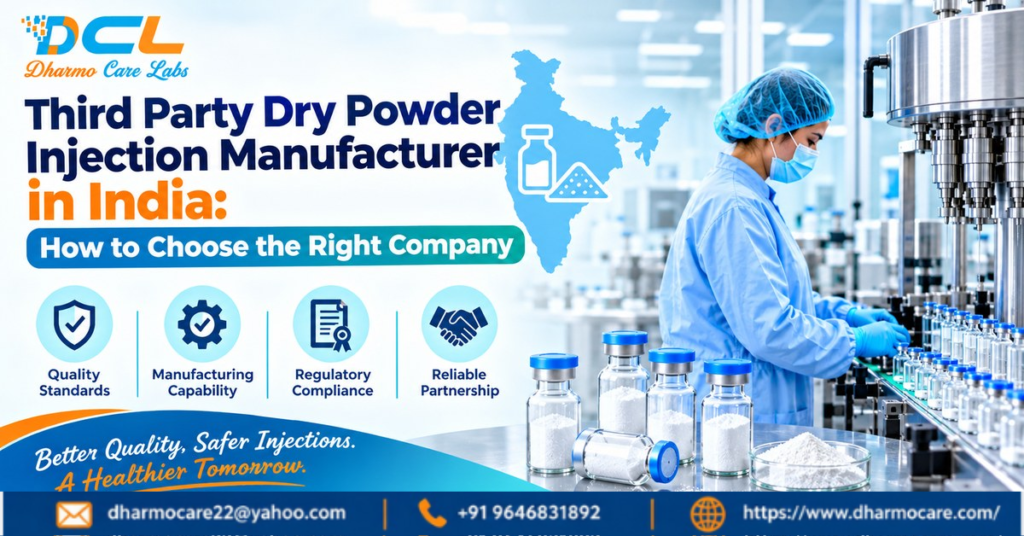
A third party dry powder injection manufacturer is a licensed pharma plant that makes sterile powder-filled vials under your brand name. You share the product list and artwork. The plant handles production, testing and packing. Before you sign, check three things: a valid WHO-GMP certificate, separate cephalosporin and penicillin blocks, and batch-wise sterility testing.
For any pharmaceutical brand in its development phase, selecting a trustworthy dry powder injection manufacturer is among the most crucial decisions.
By choosing randomly, you may end up with an inefficient manufacturer. It can lead to months of delay, rejected batches, and even worse, a damaged brand name. Dry powder injections are sterile products. They need clean rooms, careful filling and strict testing at every step. So the company you pick matters more than the price on the quote.
In this guide, we will take you through how dry powder injectable production works, how to assess potential partners, and how to select the right production team for your business needs.
How Does a Dry Powder Injection Manufacturer Work?
A dry powder injection is a sterile powder sealed in a glass vial. A nurse or doctor mixes it with sterile water or another liquid just before use. Many antibiotics come in this form because they stay stable as a dry powder but lose strength quickly in liquid.
The work happens in clear stages. First, the plant buys the active ingredient. The ingredients are then checked in the lab. Next, the powder is weighed and handled in a controlled area. It is then filled into sterile vials inside a clean room. Each vial gets a rubber stopper and an aluminium seal. After that, the batch is tested, labelled and packed.
A third-party dry powder injection manufacturer does all of this under your brand name. You share the product list, brand name and artwork. The manufacturer handles production, testing and packing. You focus on selling.
Choosing the Right Third Party Dry Powder Injection Manufacturing Services
India has many injectable plants, but they are not equal. Use the points below to compare them.
Valid Licences and GMP Compliance
When you are evaluating a dry powder injection manufacturer, regulatory compliance is your first line of defence. Make sure the manufacturer is WHO-GMP and ISO certified. It assures that they follow international hygiene, quality, control and safety standards.
A certified plant reduces batch failures and protects your brand from unexpected regulatory penalties.
Clean Room Facility and Separate Areas
Sterile products need a sterile setting.
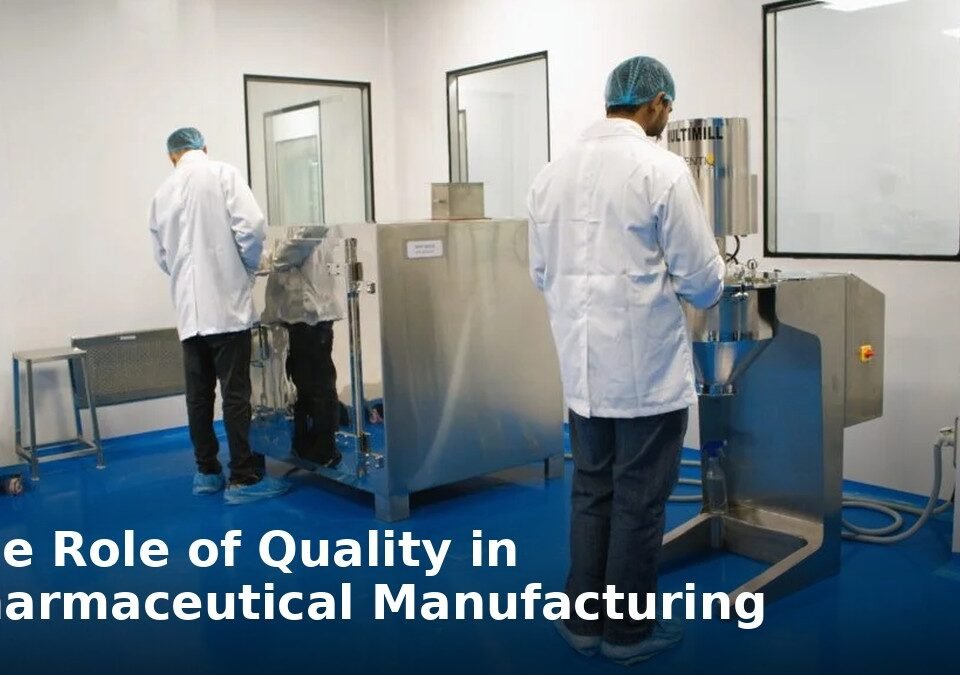
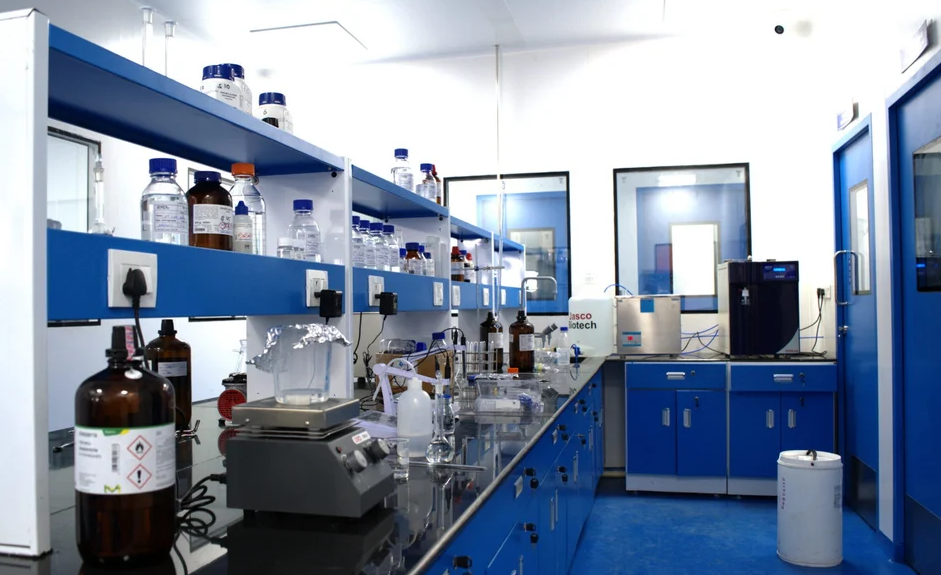
Ask about clean room grades, air filtration and how staff enter the filling area. Cephalosporins and penicillins need their own dedicated blocks. Sharing space with other products risks cross-contamination. Check that these sections have separate air handling.
Look at how vials are washed, sterilised and filled. A neat, well-kept facility tells you a lot about how your batches will turn out. If you can, visit in person and watch the filling line at work before you sign anything.
Product Range and Formulation Support
Your portfolio will grow, so choose a partner with room to grow with you.
Check which dry powder injections the plant already makes, such as common antibiotics. Ask if the team can help with strengths, vial sizes and formulations. A wider range lets you add products later without hunting for a new manufacturer.
It also helps if the company makes other forms, such as dry syrups, so you can source more than one product type from one place. Always ask for a written list with composition and pack sizes. Finally, confirm how quickly the team can add a new product to your range.
Quality Control and Testing
Quality control should run alongside production, not after it. Make sure they run tests on every batch. These usually include assay, sterility, bacterial endotoxin, particulate matter and moisture content. Clarify their policies on a failed batch and cost responsibilities.
Raw Material Sourcing
A sterile injection is only as good as its ingredients. Ask where the active ingredient comes from and whether the supplier is approved and audited. Vials, rubber stoppers and seals matter too. Poor packing material can ruin a perfect batch. Good plants test incoming material before use and keep supplier records. Reliable sourcing keeps your quality steady from the first order to the fiftieth, and it keeps your brand safe with doctors and hospitals.
Production Capacity and Delivery Time
A great sample means little if the plant cannot deliver in volume.
Ask how many vials the unit can fill each month and how many clients it already serves. Find out the usual time from order to dispatch, including testing. Request a written timeline before you pay. Late supply hurts you twice, first with lost sales and then with unhappy distributors.
A good partner plans batches, tells you early about delays and keeps stock moving on schedule. Clear answers here save you from stock shortages.
Minimum Order Quantity and Pricing
Prices vary between plants, but the lowest quote is rarely the best deal. Request a full rate list covering the product, vial, carton and label. Check the minimum order quantity for each item. A fair MOQ lets you test a new product without tying up too much cash. Get everything in writing.
A clear quote with no hidden costs shows that the company deals honestly with its clients. Compare at least three quotes side by side before you decide.
Packaging, Labelling and Artwork Support
Your pack is the first thing a doctor or chemist sees. Check that the manufacturer can print your brand name, logo, batch details and mandatory label text correctly. Ask if the in-house team helps with artwork and design, and how many rounds of changes are allowed. Confirm that cartons, leaflets and labels are checked before they go to print.
Mistakes on labels can lead to rejected stock and legal trouble. A partner who takes care of packing details saves you time, money and worry. Always ask to see a printed proof before bulk printing begins.
How to Verify a Third Party Dry Powder Injection Manufacturer Before Placing an Order?
Trust is good, but proof is better. Before you place your first order with any dry powder injection manufacturing company, run through this checklist.
- Ask for a copy of the drug manufacturing licence and confirm that it covers dry powder injections.
- Check the licence number and its validity with the state drug control authority.
- Request the GMP or WHO-GMP certificate and look at its issue and expiry dates.
- Visit the plant, or ask for a live video tour of the filling area and the lab.
- Ask for certificates of analysis and batch records from earlier batches.
- Order sample vials and test them at an independent lab.
- Speak to two or three existing clients about delivery and quality.
- Check GST registration and company details on official records.
- Confirm that cephalosporin and penicillin products are made in separate blocks.
- Read the contract closely, including terms on failed batches, delivery dates and brand confidentiality.
Also Read :- Licences Required for an Injection Pharma Franchise in India (2026 Checklist)
Why Choose Dharmo Care Labs as Your Dry Powder Injection Manufacturer?
Dharmo Care Labs Pvt. Ltd. is a pharma company based at Barotiwala in Solan, Himachal Pradesh. We supply injections and dry syrups across India and offer third-party dry powder injection manufacturing to brands that want their own label. Here is what stands out.
Low-Investment Way to Start
Dharmo Care Labs works with people who want to start a pharma business with low investment. You do not need to build a plant, hire a production team or buy costly machines. We handle manufacturing, and you build your brand. This makes it easier for new entrants and growing firms to launch products and test the market before they scale up. Your money goes into brand building, doctor visits and distribution, which is where growth comes from.
Wide Product Range
We make injections, dry syrups and many other products. That means you can start with injectables and later add other forms from the same partner. Working with one manufacturer for several products keeps communication simple. It also saves time on audits, paperwork and follow-ups. One contact person can handle all your orders, which reduces errors.
Support for Your Own Brand
Dharmo Care Labs welcomes brands that want their own labelled products. We manufacture to your needs, including ingredients, formulas, packaging and labelling. Your brand name goes on the pack, and your customers see your identity. This is exactly what a good third party partner should offer, since your reputation rides on every vial that leaves the plant.
Delivery to Your Location
Getting goods on time keeps your distributors happy. Dharmo Care Labs delivers products to your location, so you do not have to arrange pickups yourself.
Simple and Clear Process
The process is easy to follow. You send the list of products you want made. After a pricing discussion, you receive a quote. Next, you approve the artwork and design. Then you submit the contract paperwork, and manufacturing begins. You need only a GST number, a drug licence and a PAN card to get started. Clear steps mean fewer surprises.
Experience and Quality Focus
Dharmo Care Labs has years of experience in third party manufacturing and aims to deliver quality products at a fair budget. The team produces sensitive products such as dry syrups and injections, and works to match each client’s needs.
Conclusion
The right Dry Powder Injection Manufacturer protects your brand, your customers and your profits. Check licences, ask hard questions about clean rooms and testing, and always test samples before you commit. Compare capacity, pricing and packing support, then verify each claim. Although it may take some time, this process helps you find the right manufacturer.
If you want a partner that offers injections and dry syrups, low-investment entry and delivery to your door, Dharmo Care Labs is worth a close look. Call +91 9646831892 or write to dharmocare22@yahoo.com. We are sure to meet your requirements.
Frequently Asked Questions
Q1. What is a dry powder injection?
Ans. It is a sterile medicine stored as a dry powder in a sealed vial. A healthcare worker mixes it with a suitable liquid just before giving it. This keeps the medicine stable for longer.
Q2. What is third party dry powder injection manufacturing?
Ans. It means a licensed plant makes injections for another company’s brand. You supply the product details and artwork. The plant handles production, testing and packing, so you can sell without owning a factory.
Q3. How does the ordering process work?
Ans. You share your product list and receive a quote after a pricing talk. Then you approve artwork and design, sign the contract paperwork, and the manufacturer begins production.
Q4. What is the minimum order quantity?
Ans. It differs from one product and manufacturer to another. Ask for the MOQ for each item in writing. A fair MOQ lets you test a new product without heavy cash lock-up.
Q5. Can I use my own brand name and packaging?
Ans. Yes. That is the main point of third party work. Your brand name, logo and artwork go on the label and carton, subject to legal label rules.
Q6. How is quality tested?
Ans. Common tests include assay, sterility, bacterial endotoxin, particulate matter and moisture content. Ask for a certificate of analysis with every batch you receive.
What types of drugs are commonly manufactured as dry powder injectables?
Typical products are carbapenems, cephalosporins, penicillins, antifungal drugs and critical care antibiotic formulations.
Q7. How long is a typical production cycle?
Ans. A normal run of production takes between 30 and 45 days – this includes artwork approval, sourcing of raw materials, manufacturing and sterility testing.